The Venetian Route
The provinces of Northeast Italy resist a single framing. The wine alone could fill a separate itinerary, but so could the architecture, the food, the lakes. Do all of it at once, and somehow it still works.
Let’s start in Venice.
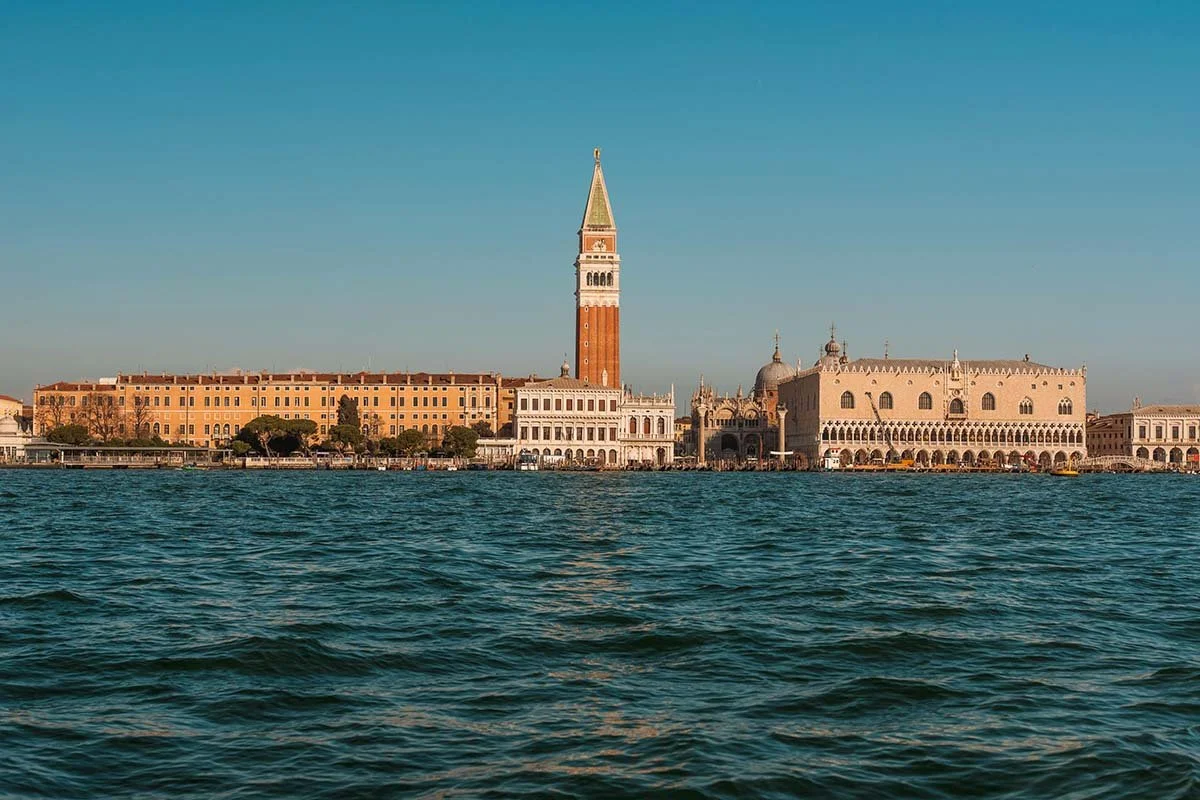
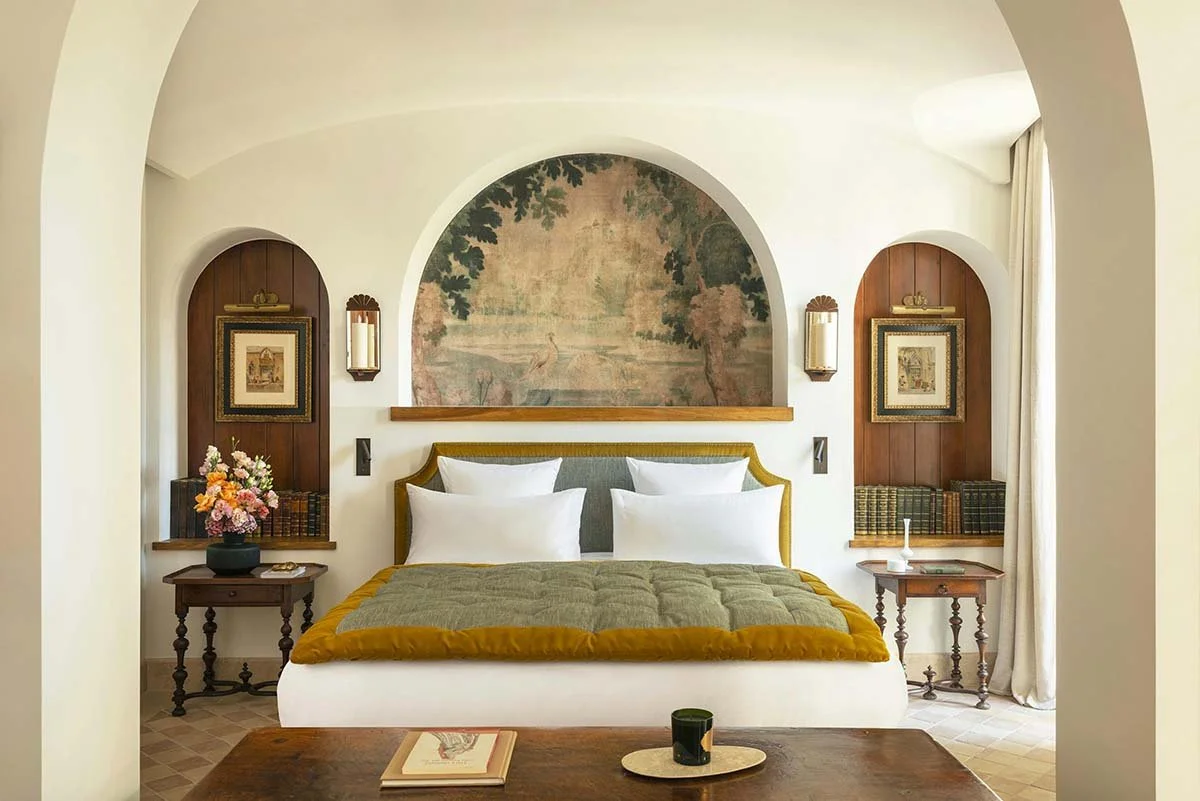
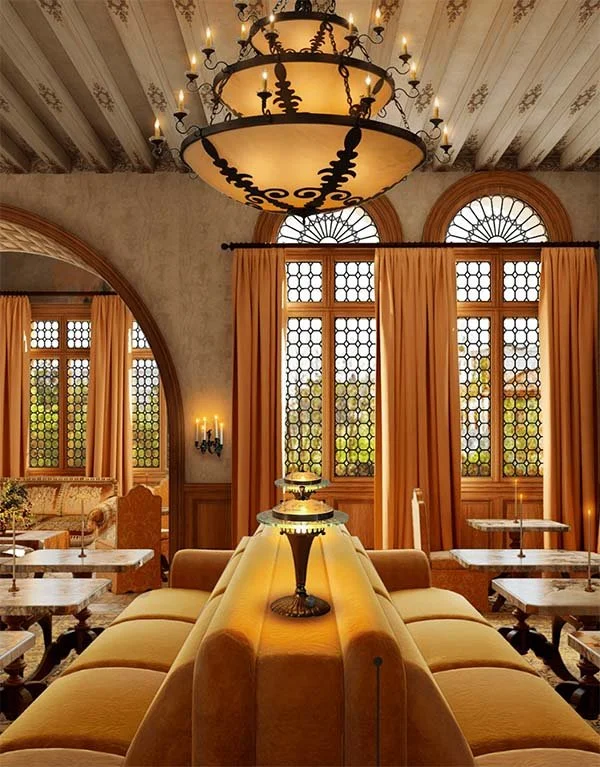
Airelles Venezia sits on the Grand Canal with the kind of unobstructed view that makes you feel you've arrived somewhere genuinely rare. It’s a palazzo, properly (if not painstakingly) restored, with painted ceilings and a vibe that is surprisingly un-fussy. A good base for a city that’s primed for wandering as much as planning.
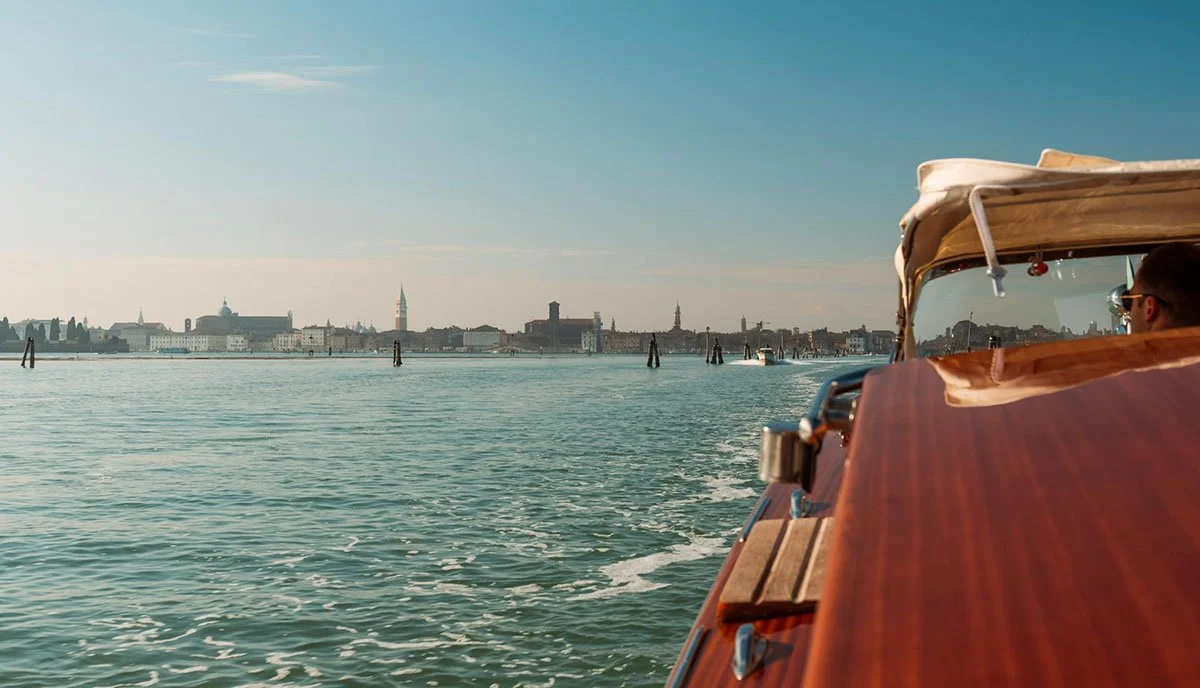
The mornings here have a particular quality. Misty water, rife with the sputter of boats, are the perfect tune for your walk to coffee somewhere near the market before the crowds arrive. Give Venice at least two proper days. One of them should be spent on the water.
The gozzo tour runs by private boat out to Murano and Burano, and it earns its place on the itinerary. Murano first, where you'll have an appointment at one of the island's better glass studios, not the gift-shop kind but the working kind, where the artisans are manipulating molten glass into organic shapes and shocking colors that reveal themselves after striking. It's physical, fast, but curiously quiet given the intensity of the heat. You watch, you ask questions, you understand why the pieces cost what they cost.
A natural mirror to Murano and just a short ride away sits Burano, the island of the painted houses, each one a different color as if the fishermen needed to find their homes in the fog. There are hidden corners worth finding before lunch, and lace workshops that have been running for generations, the women working at frames with a patience that borders on meditative. Lunch at a local restaurant, lazily, then back by boat to San Marco.
The Basilica is worth the queue, though we got a guy…so you won’t be waiting long. Inside, the gold mosaics do something to the light that photographs can't capture. The Doge's Palace follows naturally, its rooms tracing the arc of Venetian power through paintings that are enormous, detailed and oddly gripping once you have some context for who's in them. The Fondaco dei Tedeschi rooftop is a quick detour on the way back through the Rialto, and the view across the rooftops from up there puts the city's scale in perspective.
Eat outside where possible. Order the cicchetti, drink the local white, watch the foot traffic on the bridges. Venice performs for itself as much as for visitors, and that's half the pleasure of sitting still in it.
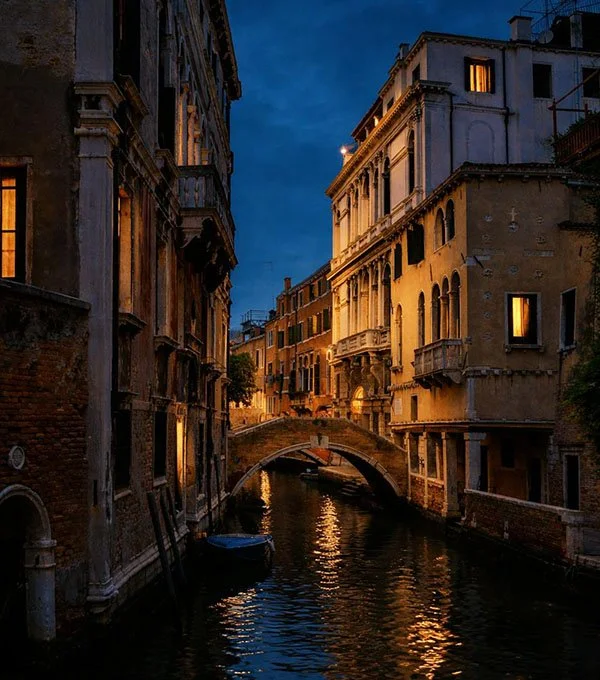
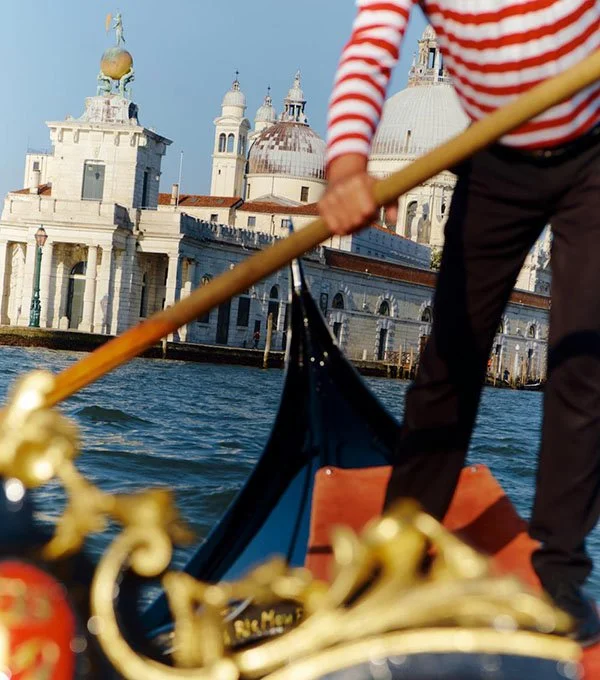
One of the days is reserved for even more wine, this time driving north toward the Slovenian border.
The countryside shifts quickly once you leave the Veneto, flatter land giving way to foothills and then proper elevation. Borgo del Tiglio, near Cormons in Friuli Collio, is a small estate that operates with a kind of rounded energy, trapping its mastery within the confines of the valley. Nicola Manferrari has been working these vineyards for decades, and the wines, particularly the Ronco della Chiesa and the Studio di Bianco, carry that accumulated attention. Friuli whites at their best have a texture and structure that feels different from what you'd find further west, and Borgo del Tiglio is a good place to understand why.
From there, Ronco del Gnemiz sits nearby, another family-run estate that punches well above its size. Serena Palazzolo runs it now, and the wines here move between the elegant and the serious, the Friulano and Ribolla Gialla worth the drive on their own. These aren't names that appear constantly on international lists, which is part of why the visit feels worth making.
Head back to Venice for one last evening, then we move west.
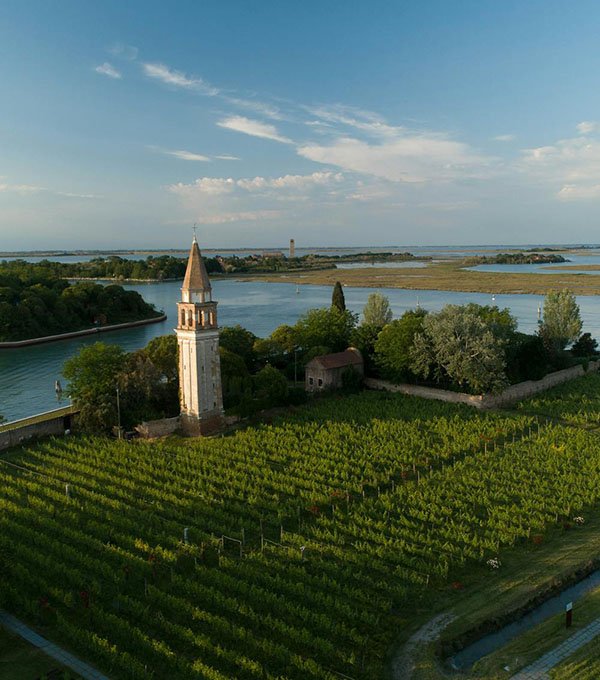
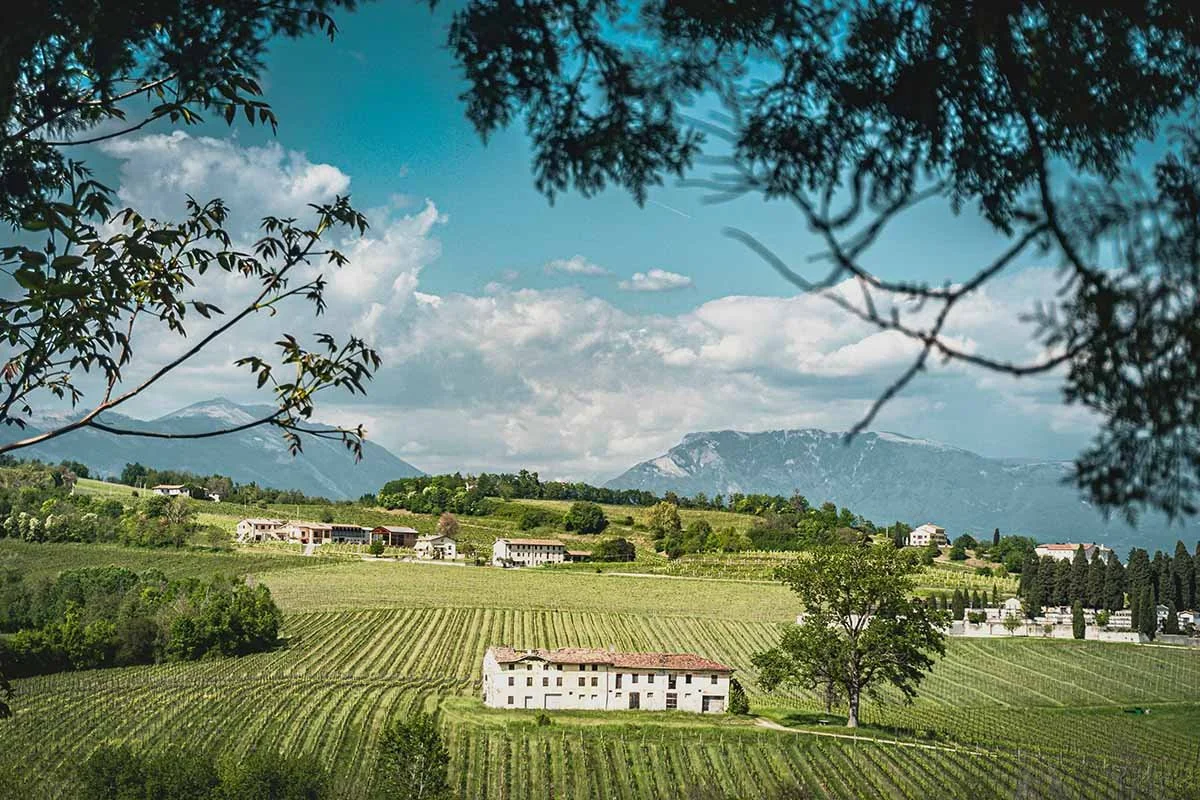
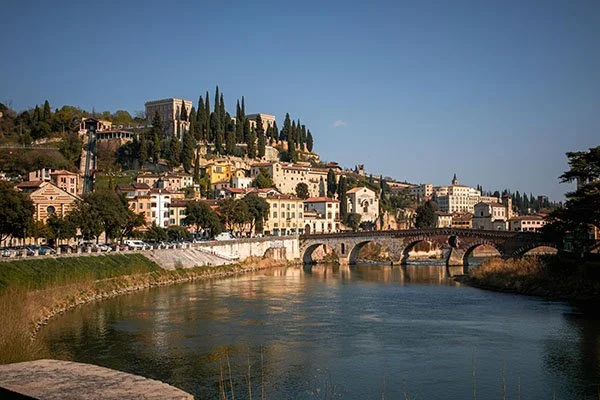
The road to Lake Garda takes you through countryside that softens and broadens, the Alps sitting in the distance and vineyards running across the hillsides in long, ordered rows. Stop at Corte Mainente near Bardolino, a small producer working with the native varieties of the eastern shore. The wines here are lighter in structure, built for the local food and the lake air rather than for aging down. Worth a tasting and a conversation with whoever's pouring.
Other stops are arranged along the way, depending on appetite and time, and your palate. The eastern shore of Garda has producers who've been making wine here for generations, without much noise about it. A few hours and a few extra bottles for the days ahead are a reasonable outcome.
A pit stop in Verona could also hold an afternoon well. The Arena, the Roman bridge, the balcony that's had nothing to do with Shakespeare but somehow draws everyone anyway. Walk the centro, eat something good, carry on.
Villa Feltrinelli sits on the western shore of Lake Garda in Gargnano. A Liberty-style villa built in the 1890s, surrounded by olive trees and gardens that run down to the water. The rooms are enormous, the service attentive without being formal and the boat is available for exactly the kind of afternoon that Lake Garda was designed for.
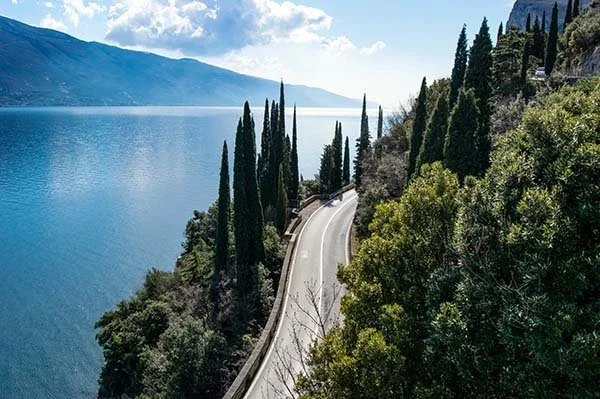
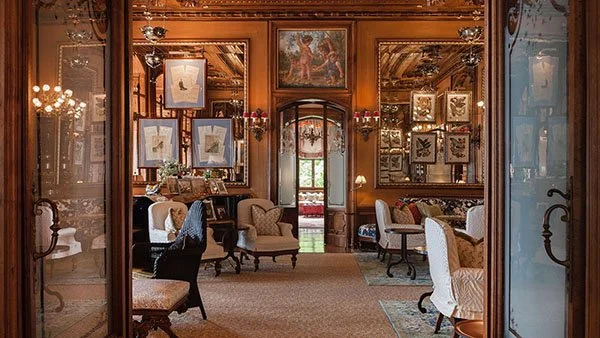
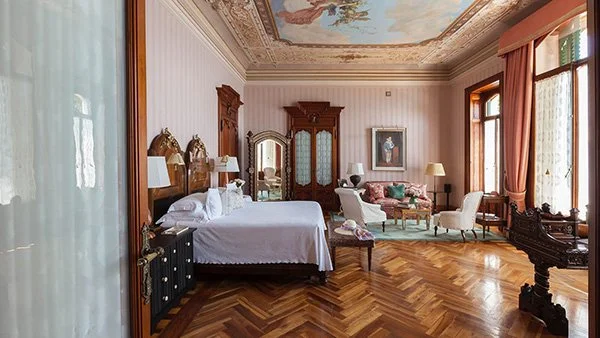
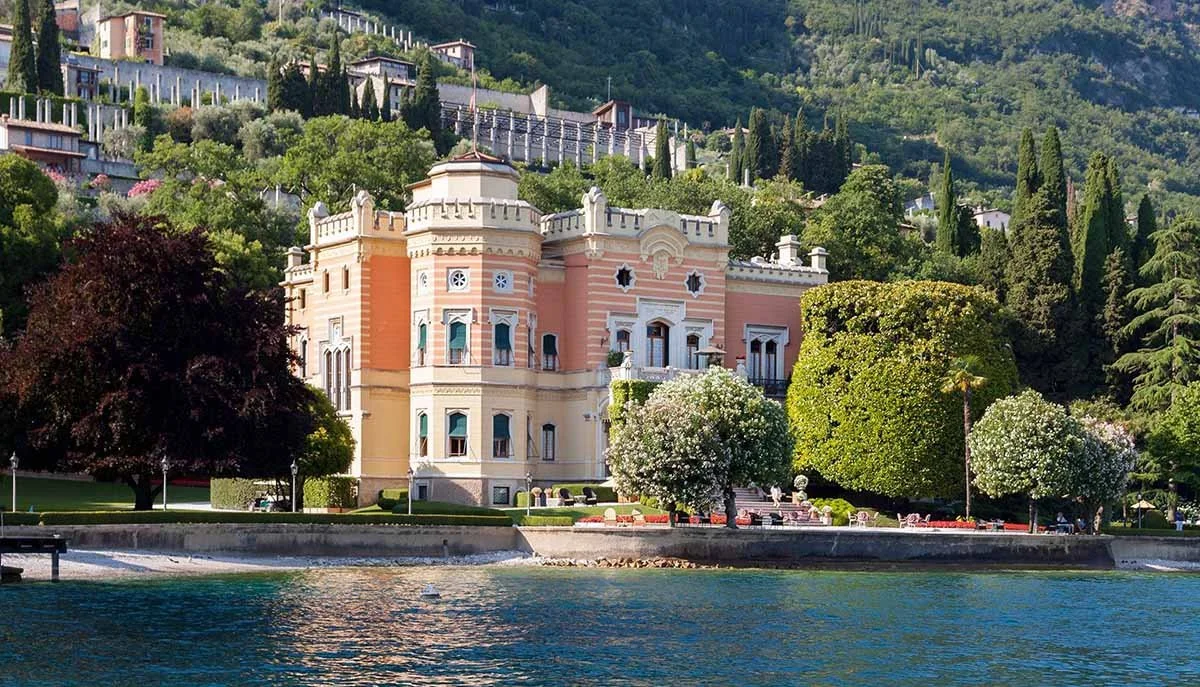
Spend a morning on the water early, before the day-trippers arrive. The lake is perfectly quiet in those hours, the Alps reflected on a surface, and even more perfectly tranquil. A snack on the terrace when you get back, then not much at all. The hotel's kitchen draws from the surrounding gardens and the local fish, and dinner here is worth treating as the main event of the day rather than an afterthought.
A few days here and the pace of the whole trip really slows down. Venice feels like it happened in a different season. The wine country, the picturesque drives, the tastings in stone cellars with winemakers who clearly have no intention of keeping things brief…all of it settles. Northern Italy shows a compelling version of the good life, one where the food and drink and landscape are so thoroughly bound together that separating them doesn't really make sense. And we can thank our lucky stars for that.